How Back-in-Stock Alerts Boost Shopify Sales
2025-09-01
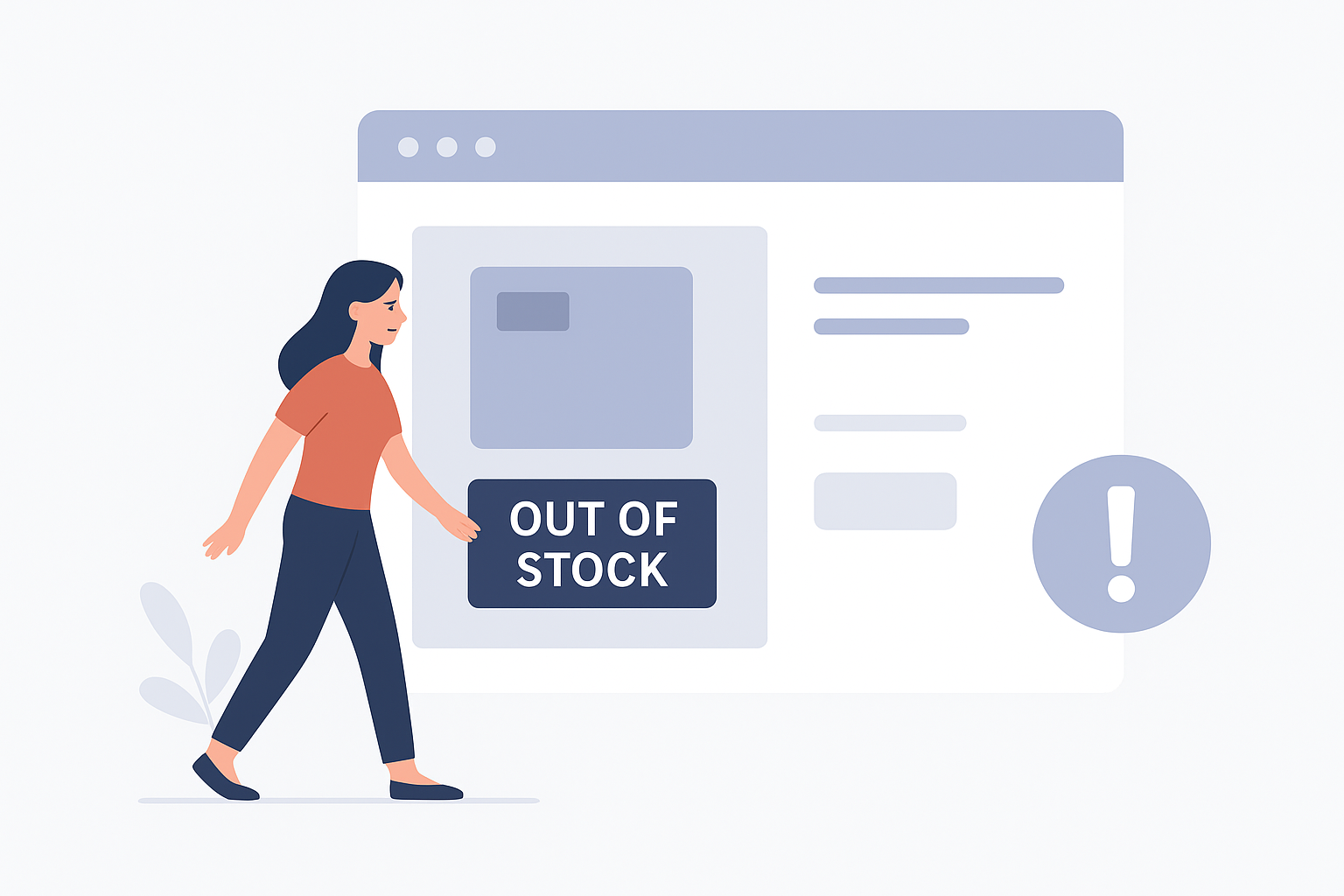
In the fast-paced world of e-commerce, stockouts are a silent killer for online retailers. Imagine a customer browsing your Shopify store, finding the perfect item, only to see it's out of stock. Frustrated, they leave—potentially forever. According to industry research, nearly 69% of online shoppers will abandon their purchase and shop with a competitor if their desired item is unavailable McKinsey & Company. Globally, stockouts cost retailers nearly $1 trillion in lost sales annually, with online channels bearing a significant portion of this burden hbr.org. For Shopify merchants, this represents not just missed revenue but also eroded customer loyalty and increased acquisition costs.
Enter back-in-stock alerts: a simple yet powerful feature that turns potential losses into opportunities. These notifications allow customers to sign up for email or SMS updates when out-of-stock products are replenished. By automating this process, Shopify stores can recapture interest, drive repeat visits, and ultimately boost sales. This article explores how back-in-stock alerts work, their key benefits, supported by statistics and real-world examples, and best practices for implementation. Whether you're a small boutique or a scaling brand, integrating these alerts can transform your inventory management and revenue stream.
What Are Back-in-Stock Alerts?
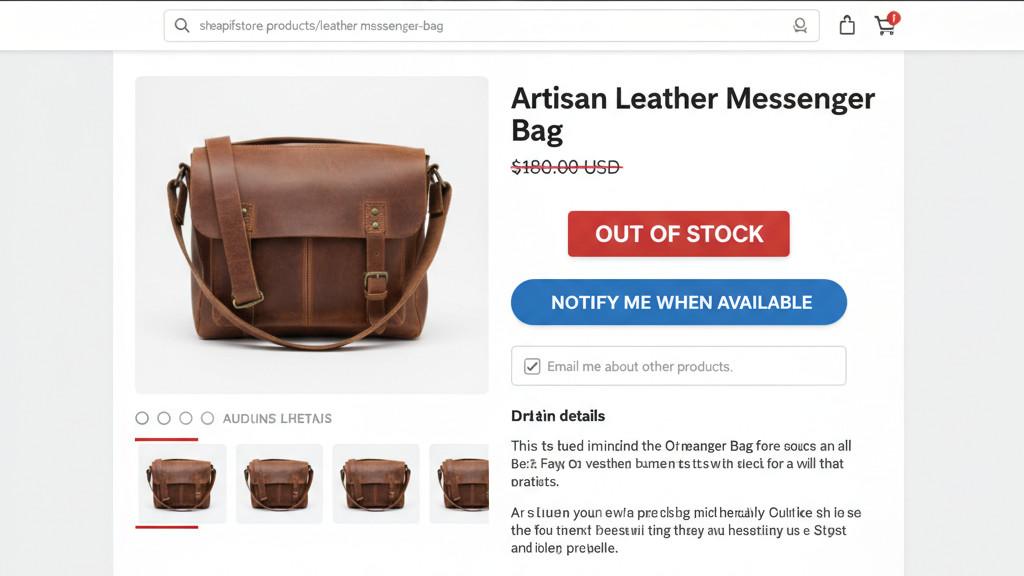
Back-in-stock alerts, also known as restock notifications, are automated messages sent to customers who have expressed interest in an unavailable product. When a shopper encounters an out-of-stock item on your Shopify product page, they see a "Notify Me" button or form. By entering their email or phone number, they opt-in to receive an alert once the item is restocked.
These alerts are typically powered by Shopify apps like Instock Notify, Notify Me!, or Appikon Back In Stock. The system tracks inventory levels in real-time and triggers notifications via email, SMS, or even push notifications. For instance, email alerts might include product details, a direct purchase link, and a promotional incentive to encourage immediate action. SMS options, often integrated with services like Twilio, provide instant delivery for higher open rates.
The beauty of these alerts lies in their simplicity and customer-centric approach. They address the common pain point of stockouts without requiring manual intervention from store owners. As e-commerce grows—projected to reach $8.1 trillion globally by 2026—tools like these become essential for maintaining competitive edges Instock Notify.
How Back-in-Stock Alerts Work on Shopify
Integrating back-in-stock alerts into a Shopify store is straightforward, thanks to the platform's app ecosystem. Most apps install directly from the Shopify App Store and require minimal setup—no coding needed for basic functionality.
Here's a step-by-step overview:
- App Selection and Installation: Choose an app based on features and pricing. For example, Appikon's Back In Stock app offers unlimited email notifications for a flat fee, while others like Timesact or Prediko include advanced analytics apps.shopify.com. Install via the app store, and it automatically adds a "Notify Me" button to out-of-stock product pages.
- Customer Signup: When inventory hits zero, the button appears. Customers submit their contact info, which is stored securely in compliance with GDPR and privacy laws.
- Inventory Monitoring: The app syncs with Shopify's inventory system. When you update stock levels (manually or via integrations like ERP software), it detects the change.
- Notification Dispatch: Alerts are sent automatically. Customize templates with branding, urgency cues (e.g., "Limited stock available!"), and calls-to-action. SMS requires a Twilio account for carrier integration, adding costs per message but boosting engagement.
- Analytics and Optimization: Dashboards track signups, open rates, and conversion from alerts. This data helps refine strategies, such as segmenting alerts by product category.
Shopify's compatibility with themes ensures seamless integration, working with the latest updates like Online Store 2.0. For advanced users, apps can integrate with email platforms like Klaviyo or SMS tools for multi-channel campaigns prediko.io.
Key Benefits of Back-in-Stock Alerts for Shopify Sales
The primary allure of back-in-stock alerts is their ability to recover revenue that would otherwise vanish. But their impact extends far beyond that. Here are the top benefits, backed by data and expert insights.
1. Recovering Lost Sales
Stockouts lead to direct revenue loss, with retailers missing out on $144.9 billion in North America alone annually thegood.com. Back-in-stock alerts recapture this by re-engaging interested customers. A study by Nielsen reports global losses exceeding $500 billion from stockouts, emphasizing the need for proactive solutions shipscience.com. Apps like Notify Me! have helped stores recover up to 10-15% of potential lost sales through timely notifications notify-me.io.
2. Building and Expanding Email/SMS Lists
Each signup adds a high-intent lead to your marketing list. Unlike generic newsletters, these subscribers are product-specific, increasing open and click-through rates. One benefit highlighted by Appikon is capturing purchase intent while building a targeted audience for future promotions appikon.com. This organic list growth reduces reliance on paid ads, lowering customer acquisition costs.
3. Enhancing Customer Retention and Loyalty
Alerts foster loyalty by showing you value customer interests. Shopify merchants using these features report improved retention rates, as customers feel informed and prioritized egnition.io. For example, personalized SMS alerts can achieve 98% open rates, compared to email's 20-30%, leading to faster conversions logbase.io. This seamless experience turns one-time browsers into repeat buyers.
4. Driving Incremental Revenue Through Automation
Automation eliminates manual follow-ups, allowing scaling without extra effort. Features like urgency timers or bundled offers in alerts can upsell, boosting average order value (AOV). A post on X from Notify Me! suggests combining alerts with preorder strategies to further increase AOV @notifyme_io. Merchants using AMP's alerts have seen revenue lifts of 5-10% from recovered sales alone prediko.io.
5. Gaining Insights into Demand
Signup data reveals popular products, informing inventory decisions. If an item garners hundreds of alerts, prioritize restocking or alternatives. This predictive insight minimizes future stockouts, with tools like Prediko offering real-time dashboards.
6. Competitive Advantage in E-Commerce
In a market where 80% of sales drop on out-of-stock days hydrian.com, alerts differentiate your store. Brands like those using HulkApps report game-changing results from automatic notifications hulkapps.com.
Statistics and Case Studies
Data underscores the efficacy of back-in-stock alerts. A Hydrian analysis shows spill rates (lost sales during stockouts) can reach 80%, but alerts mitigate this by recapturing demand hydrian.com. On average, products experience 35 stockout days yearly, equating to a month's lost revenue 8fig.co.
Case studies illustrate real impact. First Pier cites examples where alerts dramatically boosted sales, with one merchant seeing a 25% revenue increase post-implementation firstpier.com. Timesact helped a Shopify store recover thousands in lost sales by automating notifications, turning stockouts into opportunities timesact.com. On X, Textdrip promotes SMS alerts for e-commerce, noting real-time delivery leads to faster conversions in Shopify setups @textdrip. Another user, Minesh Mistry, highlights wishlist integrations with alerts for boosting AOV @MineshMist30950.
Amazon data shows rankings drop 28% after one stockout day flieber.com, a risk Shopify stores avoid with alerts maintaining SEO and visibility.
Best Practices for Implementation
To maximize ROI:
- Customize alerts with personalization (e.g., "Your favorite [product] is back!").
- Integrate multi-channel: Email for detail, SMS for urgency.
- A/B test timing and content.
- Monitor metrics like conversion rates (aim for 10-20%).
- Comply with regulations; include unsubscribe options.
Start with a free trial app to test waters.
Conclusion
Back-in-stock alerts are more than a feature—they're a revenue recovery engine for Shopify stores. By addressing stockouts head-on, they boost sales, enhance loyalty, and provide actionable insights. With trillions at stake in e-commerce, ignoring this tool means leaving money on the table. Ready to recover lost sales? Explore a solution like Instock Notify on the Shopify App Store and watch your sales soar.